Article
Border Security Is A Systems Problem
Not Just a Policy One
Every few years, the UK has to look hard at an uncomfortable truth: a border is a living, high-pressure system. It sits at the intersection of people, infrastructure, technology, intelligence, and real-time decision making. When that system works well, very little makes the news. When it fails, everyone sees it.
By Mark Hobday, CEO
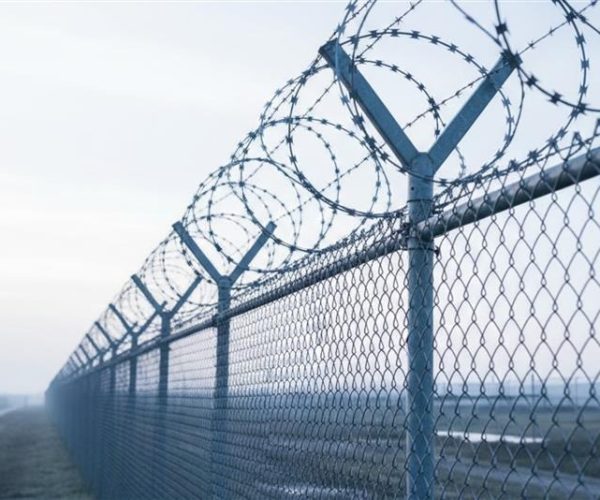
That is why the Border Security, Asylum and Immigration Act matters as more than a political event. It is also a systems signal. The government has been clear about the intent: disrupt people-smuggling networks earlier, strengthen coordination across agencies, and give law enforcement better tools to pursue organised immigration crime. The public announcement describes the Act as designed to “disrupt smuggling gangs”, with a focus on earlier intervention and faster evidence gathering. It also highlights enhanced access to mobile phone data to support investigations.
From an engineering and operational standpoint, the direction is familiar. It is a move towards a more integrated, intelligence-led approach, borrowing some methods from counter-terror work: intervene sooner, connect the dots faster, and reduce the time between suspicion and disruption.
The practical question is what always comes next: how do you make that intent real, safely and reliably, inside a complex operating environment?
Border environments are, by nature, fusion environments. They blend physical security and infrastructure, digital platforms, data pipelines, and operational teams working across multiple organisations. The government announcement points to a Border Security Command on a statutory footing, a Border Security Commander able to bring partners together around priorities, and deeper alignment with intelligence functions to identify and disrupt organised networks.
That is not a small shift. More integration can improve outcomes, but it also raises the bar. With more coordination comes more dependency. With more dependency comes more need for clarity: clear governance, clear operating procedures, clear accountability, and systems that continue performing when conditions are messy.
This is where border security management consultancy can add real value, provided it stays focused on delivery rather than slogans.
It should start with the threat, not the technology. You begin by understanding the adversary, the environment, and the operating constraints. Then you design mitigations that fit the mission. The best solutions are rarely the most impressive on a slide. They are the ones that work at 03:00 AM, in bad weather, under staffing pressure, and during unexpected surges.
It should also treat supply chains as part of the security perimeter. One of the operationally significant aspects highlighted in the government announcement is the creation of offences linked to the supply of items used in small boat crossings, and concealed compartments used to hide people. That is a clear acknowledgement that organised networks are enabled by logistics and equipment, not only by routes and geography.
The Act sets direction. Real-world performance comes from what is built, how it is operated, and how it is maintained.
At Critec, we approach border security through that lens: risk and vulnerability assessment, security advisory support, and practical mitigation design that stands up to scrutiny in the real operating environment. The aim is to help organisations design and maintain systems that are dependable when pressure is highest, and accountable when decisions really matter.
When border security improves, it is rarely due to one dramatic intervention. It is usually due to consistent, disciplined work across people, process, technology, and governance. That is where this conversation should remain anchored.
Border Security Is A Systems Problem,
Not Just a Policy One.